 Overview
Why Choose Us For Basement Waterproofing
Real Cause Diagnosis
We trace water to its actual entry point instead of selling a generic fix.
Interior & Exterior Options
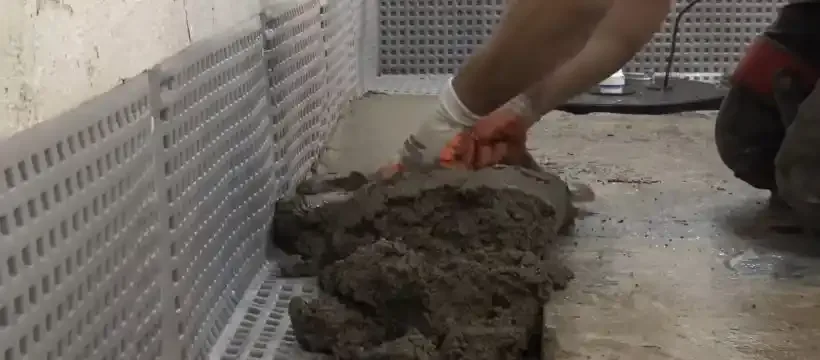
French drains, interior drain tile, and exterior membrane systems, matched to the problem.
Sump Pump Integration
Waterproofing work is paired with proper sump pump capacity where needed.
Built For Karst Soil
Systems sized for Middle Tennessee's clay-limestone conditions, not a generic climate.
The karst geology under Franklin means limestone bedrock sits under a layer of expansive clay soil. When heavy rain saturates that clay, it swells and pushes against foundation walls, forcing water through hairline cracks and porous block joints under hydrostatic pressure. The same soil mechanism that damages driveways and causes yard depressions elsewhere in Williamson County shows up in a basement as water along the base of a wall after a multi-day rain event, particularly in spring when Middle Tennessee's rainfall peaks.
Common SignsSigns You Need Basement Waterproofing
Water Along The Wall Base
The most common sign of hydrostatic pressure pushing through a foundation wall.
Damp, Musty Basement Smell
Persistent moisture even without standing water often means slow seepage through the slab.
Efflorescence On Block Walls
White, chalky mineral deposits left behind as water evaporates through masonry.
Water After Heavy Rain, Not Before
A pattern tied directly to rainfall points to an exterior drainage or grading failure.
Wet Basement After The Last Rain?
We'll find the actual entry point before quoting a fix.
What If The Water Only Shows Up After A Big Storm?
This is one of the most common calls we get in Franklin during spring rain season. If a basement stays dry for weeks and then takes on water only after a heavy, sustained rain, the cause is almost always hydrostatic pressure building faster than an aging or undersized drainage system can relieve it, not a plumbing leak inside the house. We check grading, downspout discharge points, and the condition of any existing exterior drain tile before recommending interior drain tile paired with a sump pump as the fix, since that combination handles the sudden pressure spikes typical of Middle Tennessee's rain pattern better than sealant alone.
ProcessHow We Diagnose And Fix It
Inspect
Walk the foundation, grading, and interior walls to trace the actual entry point.
Diagnose
Determine whether the fix is exterior drainage, interior drain tile, or both.
Install
French drain, interior drain tile, or membrane system installed and sealed.
Verify
Sump pump capacity checked or added to handle peak flow.
What Basement Waterproofing Costs
Interior drain tile systems sit toward the lower end, full exterior excavation and membrane work sits toward the higher end.
Basement Waterproofing In Franklin, TN
This is a genuinely different problem than what a plumber in a sandy-soil or bedrock market deals with. Franklin homes both in the historic core and in newer developments like Westhaven sit on the same karst-driven clay, which means age of construction matters less than grading, drainage, and how the specific lot handles a heavy rain event. We treat every waterproofing job as a drainage problem first and a sealant problem second, because sealing a wall without addressing where the water is coming from just moves the failure point somewhere else in the foundation.
Downtown Franklin's 722-acre historic district sits close enough to the Harpeth River that some basements there deal with a second contributing factor beyond karst clay alone: a higher water table during peak spring flow. A foundation that stays dry through a normal rain but takes on water during a multi-day, high-volume event is often dealing with both hydrostatic pressure from clay soil and a temporarily elevated water table pushing from below, which is why we check both grading and the property's proximity to natural drainage paths before finalizing a fix.
We also see a fair number of calls from Westhaven and Berry Farms where the basement itself is only a few years old but is already showing early water intrusion signs. New-construction grading sometimes settles unevenly in the first few years on freshly disturbed, clay-heavy soil, which can undo drainage that worked correctly at the time of the final inspection. A newer basement taking on water isn't necessarily a construction defect, it's often exactly the same clay-soil settling pattern showing up faster because the ground hasn't had decades to stabilize yet.
FAQsCommon Questions
Clay-limestone karst soil swells with heavy rain and pushes water through foundation walls under hydrostatic pressure. Grading and downspout issues make it worse.
Interior drain tile is less invasive and often sufficient for wall seepage. Exterior systems address the water before it reaches the foundation but require excavation.
In most Franklin cases tied to karst soil and heavy rain, yes, a properly sized sump pump is what actually moves the water the drain system collects.
Karst terrain does carry sinkhole risk in parts of Williamson County. Persistent settling, cracking, or yard depressions alongside basement water intrusion should be evaluated, not just sealed over.
Sometimes, if the cause is purely surface drainage and grading. We check that first since it's the least invasive and least expensive fix, before recommending a drain tile or excavation system that costs more.