 Overview
Why Choose Us For Leak Detection
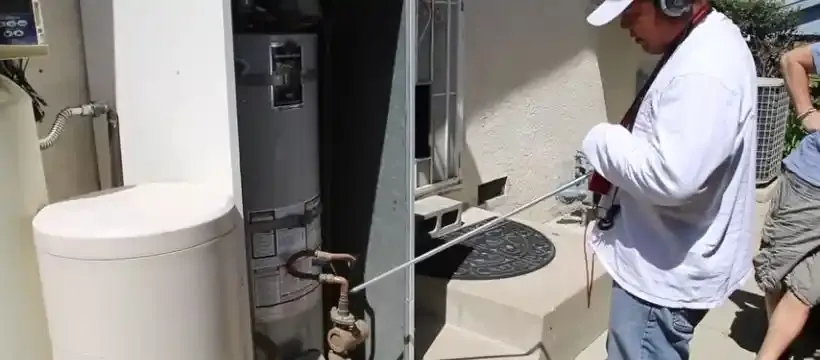
Electronic Detection
Acoustic and pressure-based equipment locates leaks without guesswork.
Minimal Damage
We pinpoint the leak before any cutting, avoiding unnecessary demolition.
Slab Leak Experience
Specific familiarity with how Franklin's soil conditions affect underslab pipe.
Clear Next Steps
A precise location means an accurate repair quote, not an estimate range.
Franklin's karst-clay soil shifts slightly with seasonal moisture changes, and that movement puts stress on pipes running beneath a slab foundation, especially in homes with copper supply lines that have been in the ground for decades. A slab leak often starts small and worsens gradually, which is why the water bill and a warm or damp floor spot are usually the first real signs, well before any visible water shows up.
Common SignsSigns You Need Leak Detection
Unexplained Rise In Water Bill
Often the first and only sign of a slow hidden leak.
Sound Of Running Water
Audible even when every fixture in the house is off.
Warm Or Damp Spot On The Floor
A strong indicator of a hot water line leak under a slab.
Low Water Pressure At One Fixture
Can indicate a leak diverting pressure before it reaches that fixture.
Water Bill Climbing With No Explanation?
We'll find the leak before anyone starts cutting.
How Do I Know If It's A Slab Leak?
The combination that points most clearly to a slab leak is a water bill that's climbed without a clear reason, plus a specific warm or damp spot on the floor, especially over a hot water line run. Not every unexplained water loss is a slab leak, sometimes it's a running toilet or an irrigation line, so we check the easy explanations first. When those don't account for it, electronic leak detection locates the exact point before any demolition, which keeps the eventual repair contained to a small, precise area instead of an exploratory cut across the slab.
ProcessHow Leak Detection Works
Rule Out The Obvious
Check toilets, irrigation, and visible fixtures first.
Electronic Detection
Acoustic and pressure equipment narrows the leak to a precise location.
Confirm
Cross-check readings to pinpoint before recommending any cutting.
Quote The Repair
An accurate, location-specific repair quote based on confirmed findings.
What Leak Detection Costs
Detection cost is separate from repair. Locating the leak precisely typically saves money on the repair itself by avoiding unnecessary demolition.
Leak Detection In Franklin, TN
Given how common slab leaks are in Middle Tennessee's soil conditions, we'd rather run a proper detection pass on an unexplained water bill than have a homeowner start cutting into flooring based on a guess.
A water meter that keeps spinning after every fixture, appliance, and irrigation zone is shut off is one of the clearest self-checks available before calling. It confirms water is flowing somewhere in the system without telling you where, which is exactly the gap electronic detection closes. Some Franklin properties also see leaks specifically at the meter box itself or the short run of yard pipe just past it, often showing up as an unusually soft or green patch of grass near the box.
Irrigation and sprinkler line leaks can produce a similar water-bill and soggy-yard pattern, and our detection equipment can confirm whether a leak is on the irrigation side or the household supply side. If it turns out to be the irrigation system itself, that's a job for an irrigation specialist rather than a plumber, and we'll tell you plainly which one you're dealing with rather than guessing.
FAQsCommon Questions
Modern acoustic and pressure equipment typically narrows a leak location to within a small, targeted area, which is what keeps repair demolition minimal.
It's rarely a sudden emergency, but it worsens over time and can eventually affect the foundation. It's worth addressing promptly once suspected.
Coverage varies by policy. Sudden leaks are often covered, gradual ones sometimes are not. We recommend checking your specific policy.
We do both, detection and repair, with the repair quoted precisely once the leak location is confirmed.