 Overview
Why Choose Us For Septic Tank Pumping
Scheduled Maintenance
Regular pumping on a schedule matched to your household's actual usage.
One-Time & Emergency Calls
Available when a system is already showing backup signs.
Tank Condition Check
We flag visible signs of a failing tank or drain field while we're there.
Upfront Pricing
One flat price for the pumping visit.
A septic system's pumping frequency depends on tank size, household size, and usage, not a fixed calendar date, though most residential systems need pumping every 3 to 5 years. Properties on Williamson County's clay-heavy soil can see slower drain field absorption than sandier soil types elsewhere, which makes staying ahead of pumping schedule more important, not less.
Common SignsSigns You Need Septic Tank Pumping
Slow Drains Throughout The House
A sign the tank may be reaching capacity.
Sewage Odor Near The Tank Or Drain Field
Often an early warning sign before a full backup.
Standing Water Over The Drain Field
Can indicate the system is overloaded or failing.
It's Been Over 3-5 Years Since Last Pumping
The general window most residential systems need service.
Overdue For Septic Pumping?
Schedule service before it becomes a backup.
How A Pumping Visit Works
Locate & Access
Find and open the tank access point.
Pump
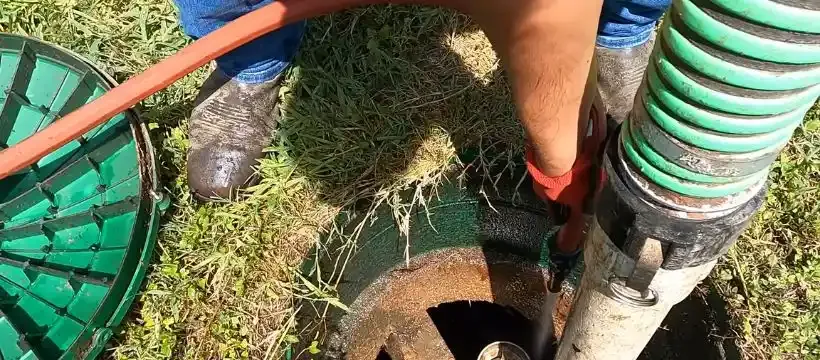
Full removal of accumulated solids and liquids from the tank.
Inspect
Visible check of tank condition and any obvious drain field issues.
Document
Notes on tank condition and recommended next pumping date.
What Septic Tank Pumping Costs
Standard residential tank pumping. Tanks that are difficult to access or haven't been pumped in many years may cost more.
Septic Tank Pumping In Franklin, TN
We treat septic service as a scheduled maintenance item, not just a reactive emergency call. A property owner who stays ahead of the pumping schedule avoids the far more expensive drain field repairs that come from waiting too long.
Williamson County's clay-heavy soil, the same karst-driven clay discussed on our basement waterproofing page, absorbs water more slowly than sandier soil types, which means a drain field on this kind of ground can struggle under a tank that's allowed to overfill. That's part of why we recommend Williamson County septic owners lean toward the 3-year end of the typical 3-to-5-year pumping window rather than pushing toward 5, especially on properties with heavier household water use.
FAQsCommon Questions
Properties outside Franklin's municipal sewer service area, generally further from the city core, are more likely on septic. We can confirm on-site.
Most residential systems need pumping every 3-5 years, depending on tank size and household size.
Solids can overflow into the drain field, causing damage that's far more expensive to repair than routine pumping.
In most cases, yes, using property records and physical signs on the lot.